BRICS Currency Ambitions: Substance or Symbolism?
Putin has posed with a mock BRICS banknote more than once, but the bloc itself denies any currency proposal exists. Here’s what’s actually being built instead, and why it matters more.
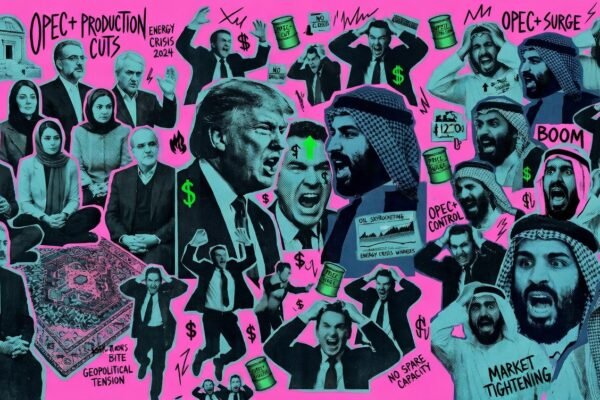
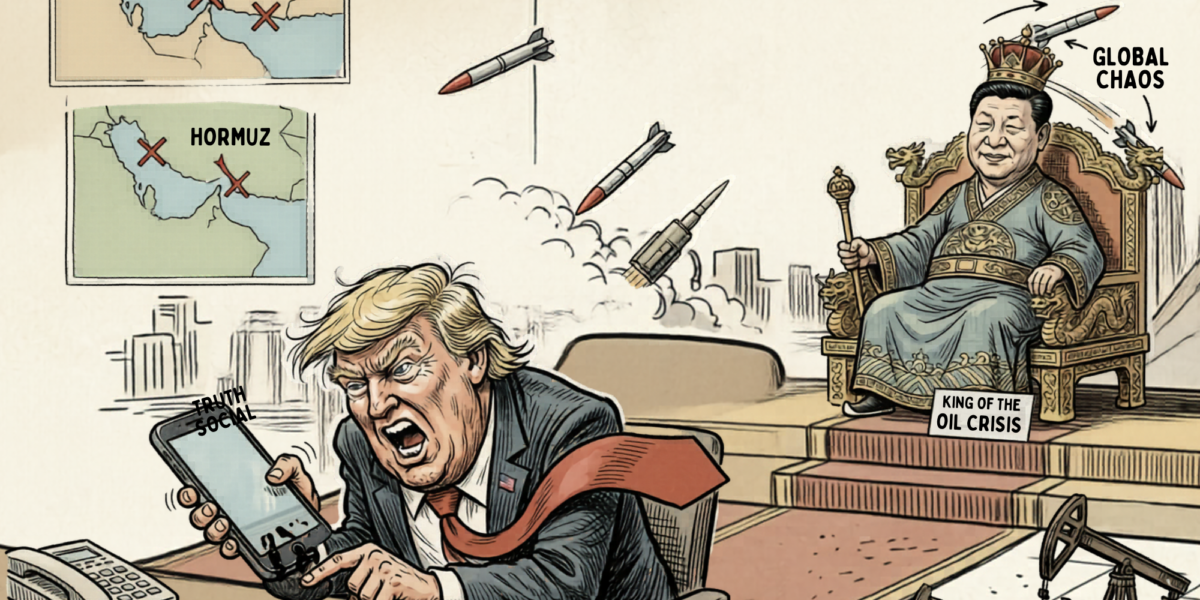
In the time it takes to walk from your car to your desk, one Trump Truth Social post added $1.7 trillion to stocks and crashed oil $17. Then Iran called it fake news, and half the gains vanished. This is now the operating environment. Brent is $104. The IEA says this is worse than the 1970s oil shocks. And traders appear to have been positioned 15 minutes before the announcement.
Putin has posed with a mock BRICS banknote more than once, but the bloc itself denies any currency proposal exists. Here’s what’s actually being built instead, and why it matters more.
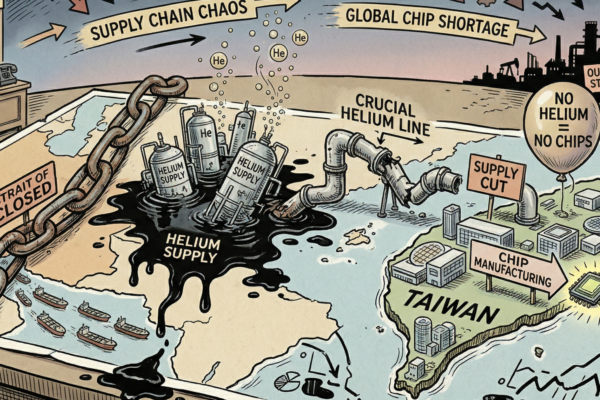
The world is watching oil. It should be watching helium. Qatar’s Ras Laffan shutdown has removed a third of global helium supply — and the consequences for semiconductor manufacturing, AI hardware, and the entire chip ecosystem are only now becoming clear.
Iran is laying mines in the Strait of Hormuz. A new Supreme Leader has vowed to keep it closed. The largest emergency oil release in history — 400 million barrels — failed to push prices down. Brent is holding above $100 for the first time since 2022. The game has changed again.
Brent breached $110 this morning. Iraq’s output collapsed 70%. Kuwait declared force majeure. Qatar’s LNG is gone. UAE is cutting. Saudi Arabia’s Shaybah field was hit by 20 drones overnight. This is no longer a supply risk — it is a supply collapse.
An on-the-ground data analysis of every oil field struck, every refinery shut down, and every barrel strandedand what it means for global crude prices across three scenarios.
Gold prices are testing all-time highs, and many investors are wondering: is this just the beginning of a bigger move? With economic uncertainty rising and central banks buying gold at record pace, some analysts say gold could climb to $5,000 per ounce as soon as next year. In this article, we’ll break down the factors that could drive such a move and what it means for individual investors looking to protect and grow their wealth.
The car will need tires. The insurance bill will renew. December will arrive. A sinking fund is how you stop treating expenses you already know are coming as emergencies.
A Texas Instruments manager invented zero-based budgeting in 1969 to stop corporate departments from spending on autopilot. The same discipline, applied to a household, does the same job.
The three-to-six-months rule is a starting point, not a formula. Here is how to size an emergency fund to your actual risk profile and where to park it so it still earns something while you wait.
A raise rarely shows up in your savings account the way you expect it to. Here’s why lifestyle creep eats it first, and how to stop it before it becomes a habit.
A structured, layered approach to separating, segmenting, and hardening every account you own — so fraud, breaches, and scams stop at the perimeter instead of reaching your savings.
Becoming debt free is achievable with the right strategy. Here’s a practical, step-by-step roadmap to eliminating debt and reclaiming financial freedom.
The world is watching oil. It should be watching helium. Qatar’s Ras Laffan shutdown has removed a third of global helium supply — and the consequences for semiconductor manufacturing, AI hardware, and the entire chip ecosystem are only now becoming clear.
Iran is laying mines in the Strait of Hormuz. A new Supreme Leader has vowed to keep it closed. The largest emergency oil release in history — 400 million barrels — failed to push prices down. Brent is holding above $100 for the first time since 2022. The game has changed again.
Brent breached $110 this morning. Iraq’s output collapsed 70%. Kuwait declared force majeure. Qatar’s LNG is gone. UAE is cutting. Saudi Arabia’s Shaybah field was hit by 20 drones overnight. This is no longer a supply risk — it is a supply collapse.
An on-the-ground data analysis of every oil field struck, every refinery shut down, and every barrel strandedand what it means for global crude prices across three scenarios.
Gold (XAU/USD) declined approximately 3.4% for a second consecutive week to near $4,140, pressured by 10-year Treasury yields near 5.28% and a firmer dollar des…
October platinum futures settled at 1,797.70 on September 25, 2026, marking a 0.32% weekly decline in the most recent search data available. Web search results …
Precious metals traded mixed during the week of August 17–21, 2026. Gold spot prices eased from early-week highs near $4,390 toward the $4,078–$4,351 range as t…
Precious metals traded mixed this week, with gold consolidating near $4,033/oz and silver pulling back to $56.90/oz on profit-taking ahead of Friday’s jobs repo…
Precious and industrial metals broadly retreated this week as a firming U.S. dollar and mounting uncertainty ahead of Wednesday’s Federal Reserve rate decision …
Iran is laying mines in the Strait of Hormuz. A new Supreme Leader has vowed to keep it closed. The largest emergency oil release in history — 400 million barrels — failed to push prices down. Brent is holding above $100 for the first time since 2022. The game has changed again.
Gold prices are testing all-time highs, and many investors are wondering: is this just the beginning of a bigger move? With economic uncertainty rising and central banks buying gold at record pace, some analysts say gold could climb to $5,000 per ounce as soon as next year. In this article, we’ll break down the factors that could drive such a move and what it means for individual investors looking to protect and grow their wealth.
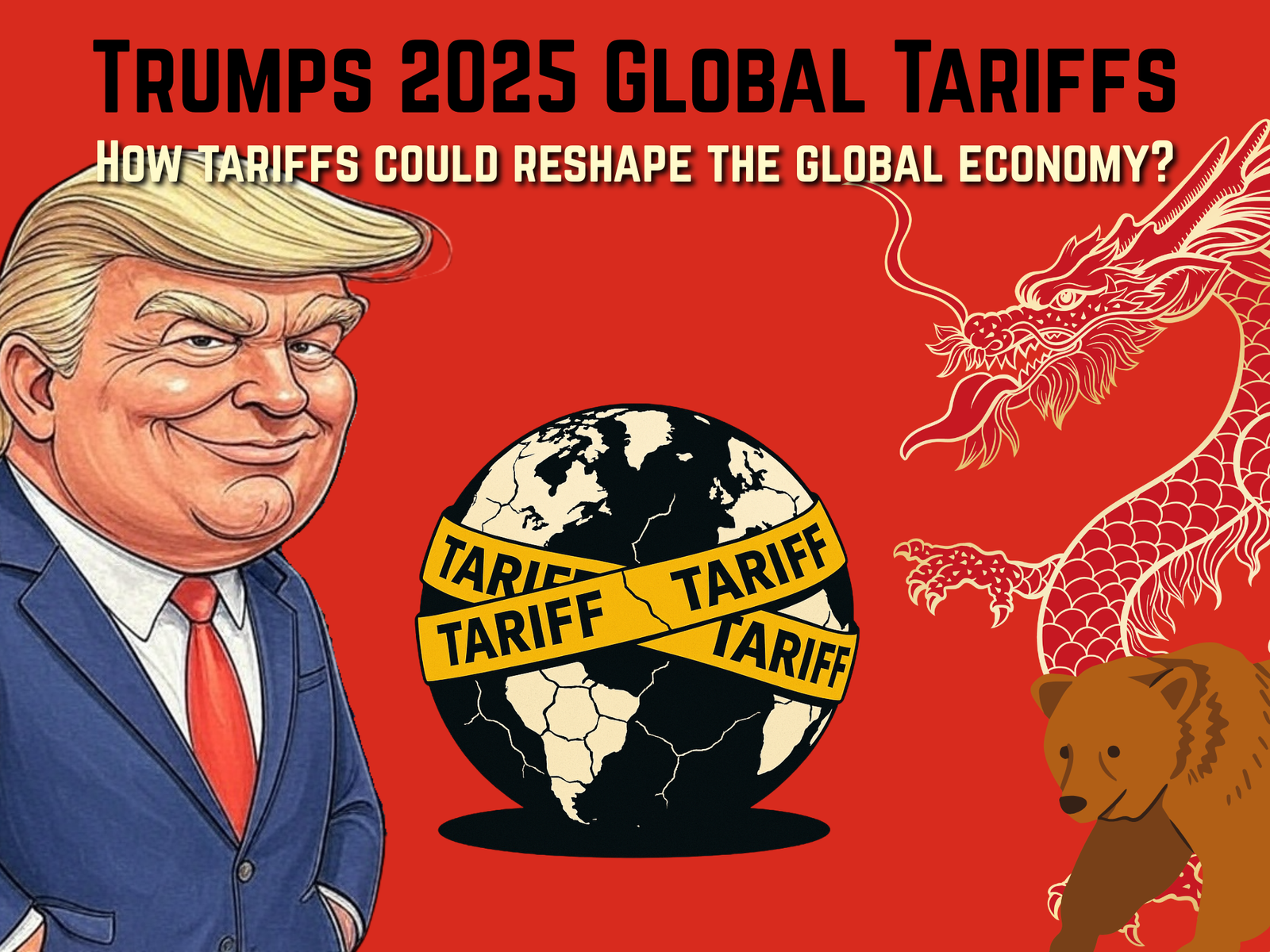
President Trump’s sweeping 2025 global tariffs are shaking global markets, risking inflation, trade wars, and even a global recession. Here’s a detailed look at the short-term and long-term consequences.
The car will need tires. The insurance bill will renew. December will arrive. A sinking fund is how you stop treating expenses you already know are coming as emergencies.
A Texas Instruments manager invented zero-based budgeting in 1969 to stop corporate departments from spending on autopilot. The same discipline, applied to a household, does the same job.
A raise rarely shows up in your savings account the way you expect it to. Here’s why lifestyle creep eats it first, and how to stop it before it becomes a habit.